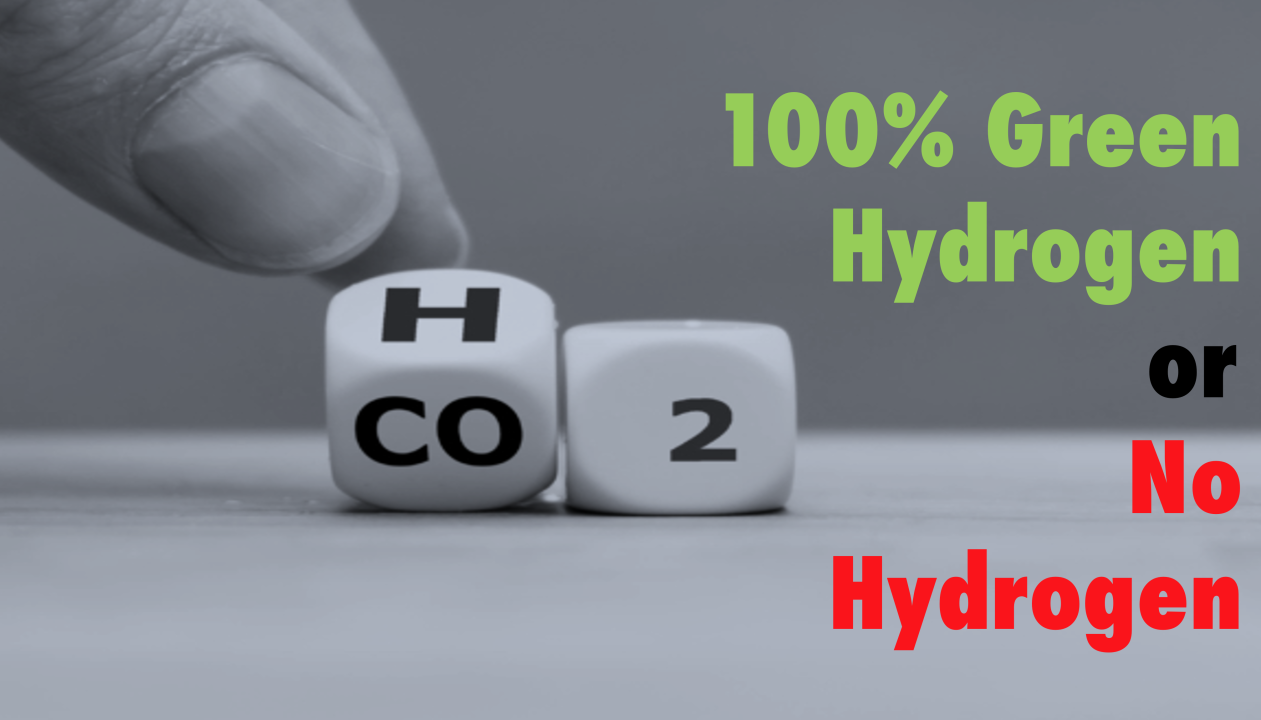
A. "100% Green Hydrogen" commitment is mandatory
A commitment to 100% Green Hydrogen is essential for hydrogen to be a credible climate change solution. Unfortunately, no major players have made this commitment publicly. Only Green Hydrogen makes sense from a climate action perspective, yet oil and gas companies lobbying for hydrogen infrastructure do not advocate for a 100% Green Hydrogen stance. This suggests that they might view hydrogen as a way to repurpose their existing carbon-intensive operations or garner policymaker support.
I hope to see leaders in the hydrogen and oil & gas industries, such as BP, E.ON, Enel, Engie, Exelon Corp, Iberdrola, KEP, Tepco, Total, and Shell, initiate a "100% Green Hydrogen" movement by committing to produce, distribute, and sell hydrogen solely from renewable sources as part of their climate pledges.
B. Grey or Blue Hydrogen can be worse than Coal for Climate
Producing hydrogen requires energy, often generated from fossil fuels. This process is inefficient (around 50% today), doubling the carbon intensity of hydrogen relative to its primary energy source. Here’s a breakdown:
- Electricity from coal: 870 g-CO₂ per kWh
- Electricity from gas: 464 g-CO₂ per kWh
- Electricity from solar: 41 g-CO₂ per kWh
- Electricity from wind: 14 g-CO₂ per kWh
Generating hydrogen from coal or gas yields even higher carbon footprints than using coal or gas directly, making Black, Grey, or Blue Hydrogen far from climate-friendly. These types of hydrogen are currently more harmful than fossil fuel energy sources.
C. Green hydrogen should be part of the energy transition
Green hydrogen offers unique benefits, such as long-term energy storage and transportability, making it particularly advantageous in areas without renewable infrastructure. Additionally, it allows for a smoother transition by utilizing existing skills and expertise from the oil and gas industries.
However, a significant challenge remains: hydrogen requires separate infrastructure, as existing engines and machines cannot use it. Thus, there is still considerable work ahead to make Green Hydrogen economically viable and scalable.
D. Shipping Hydrogen globally often makes little sense
Shipping hydrogen can be as inefficient as printing an email, mailing it, and then scanning it back to digital format. The carbon cost of producing, shipping, and converting hydrogen is far greater than that of direct electricity transmission, which already spans considerable distances globally (up to 2,500 km in countries like Brazil, India, and China).
E. Hydrogen players without a 100% Green commitment should not receive funding or support
The global financial system is increasingly exposed to climate risk, with many institutions holding stranded assets. Financing hydrogen infrastructure without a 100% Green commitment could increase portfolio risks. New hydrogen infrastructure must be aligned with climate goals, backed by clear commitments to keep it as green as possible.
A 100% Green Hydrogen commitment would build trust in the hydrogen sector’s role in combating climate change. Without it, doubts about motivations and climate impacts will persist.