What is your carbon footprint? The GHG protocol.
There are well-established standards and norms to report your carbon footprint. A commonly used one internationally is the GHG protocol, which classifies GHG emissions into three groups: Scope 1, Scope 2, Scope 3.
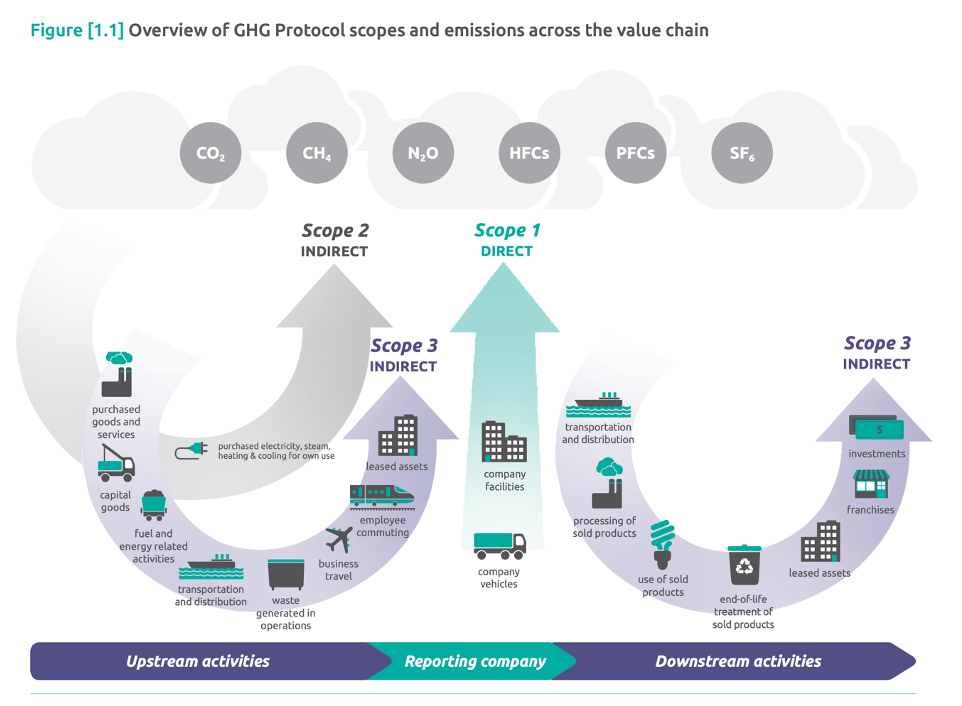
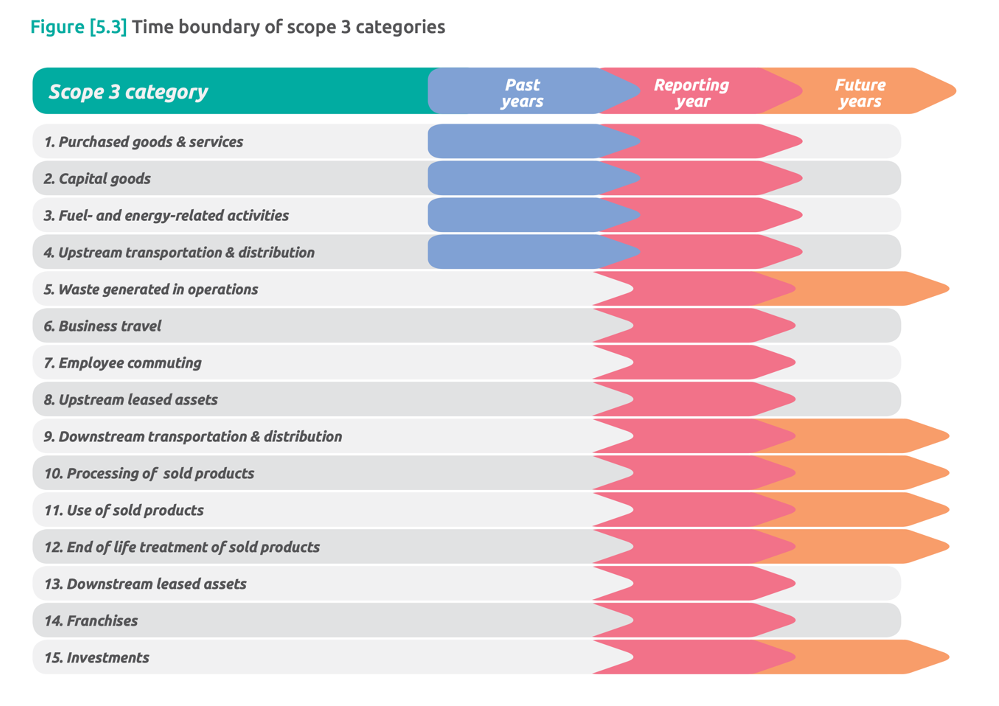
Scope 3 is the most exhaustive way to calculate and report your carbon footprint.
About Decarbonization / CO2 Savings
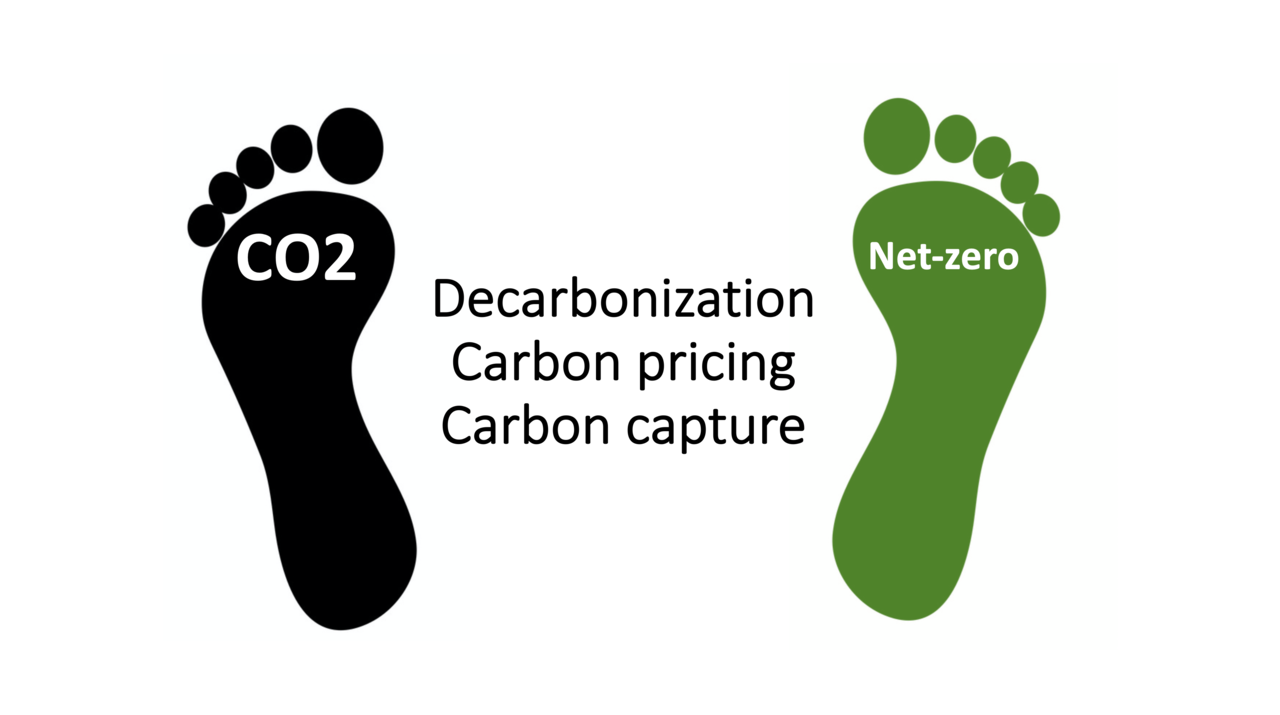
Regardless of the scope of analysis, few strategies are available to decarbonize and reduce your carbon footprint effectively:
- Carbon avoidance: Avoiding an activity has a major impact on emissions, though a carbon footprint remains simply by existing. Choices may involve alternative actions with larger or smaller carbon footprints than initially planned.
- Carbon efficiency: Achieving the same outcome with fewer emissions by modifying methods or choices.
- Carbon capture: Removing carbon emitted from an industrial process or even directly from the air, with only direct air carbon capture allowing a truly negative carbon footprint.
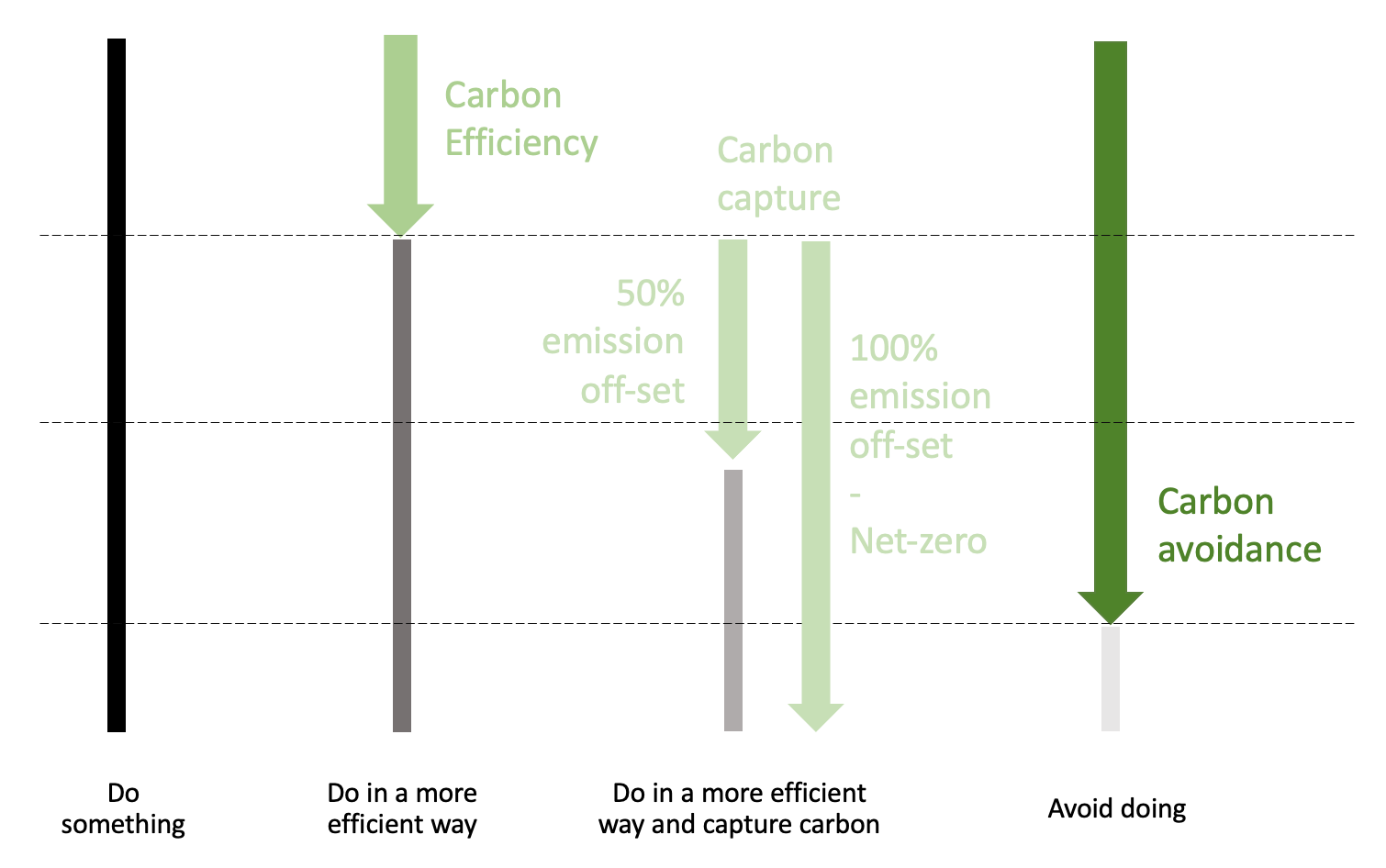
They all behave differently:
- Carbon Efficiency provides long-lasting impact (do once, benefit forever) . Announcing major CO2 savings in the future does not account for the evolution of the carbon baseline. It claims by design higher numbers than reality unless they are 100% based on carbon capture. Net present CO2 saving is a better way to measure impact. It includes the evolution of the baseline in the calculation.
- On the opposite, Carbon Capture needs to be provided over time to keep delivering its benefices.
- Carbon avoidance is the simplest and most impactful.
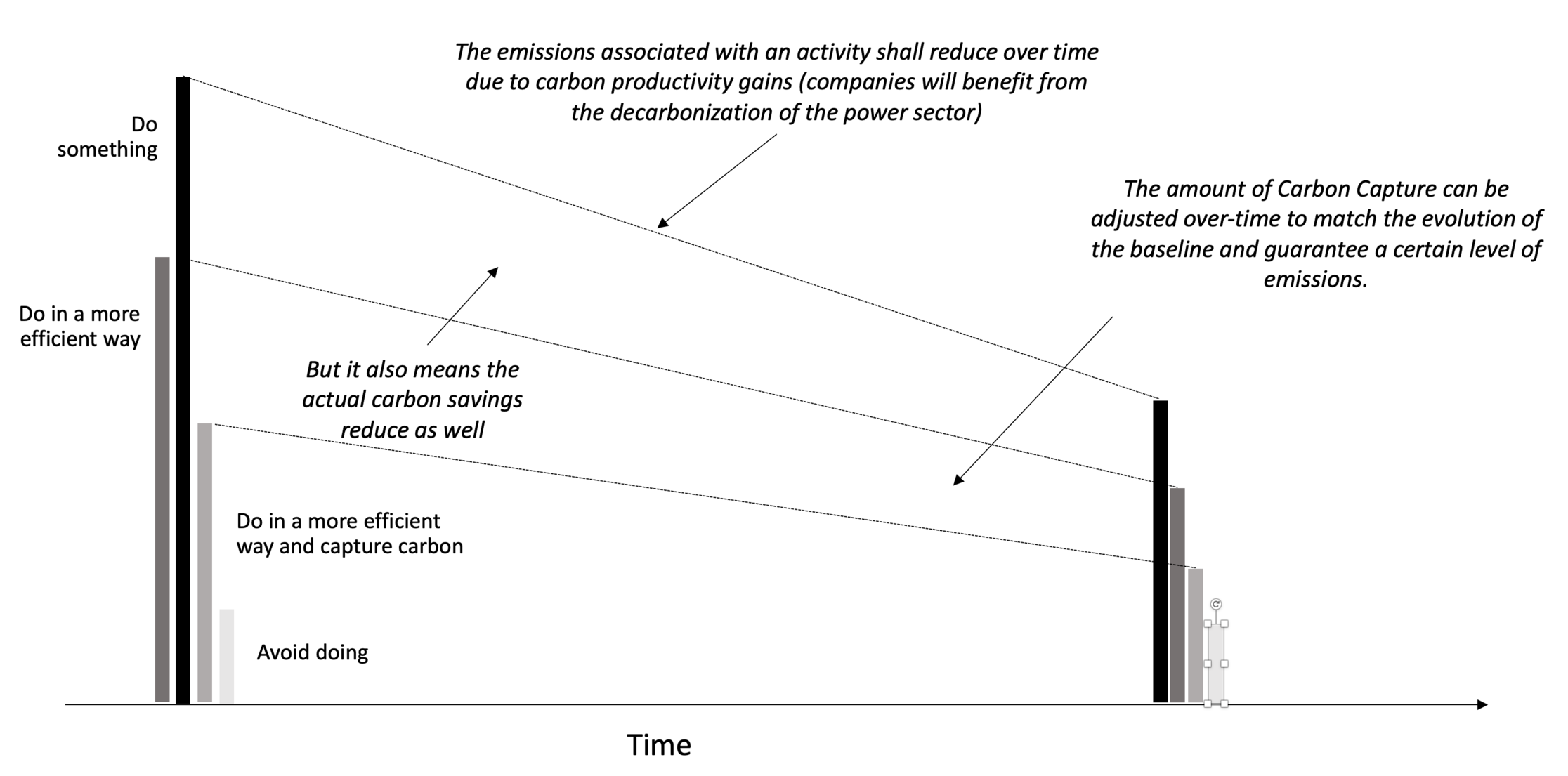
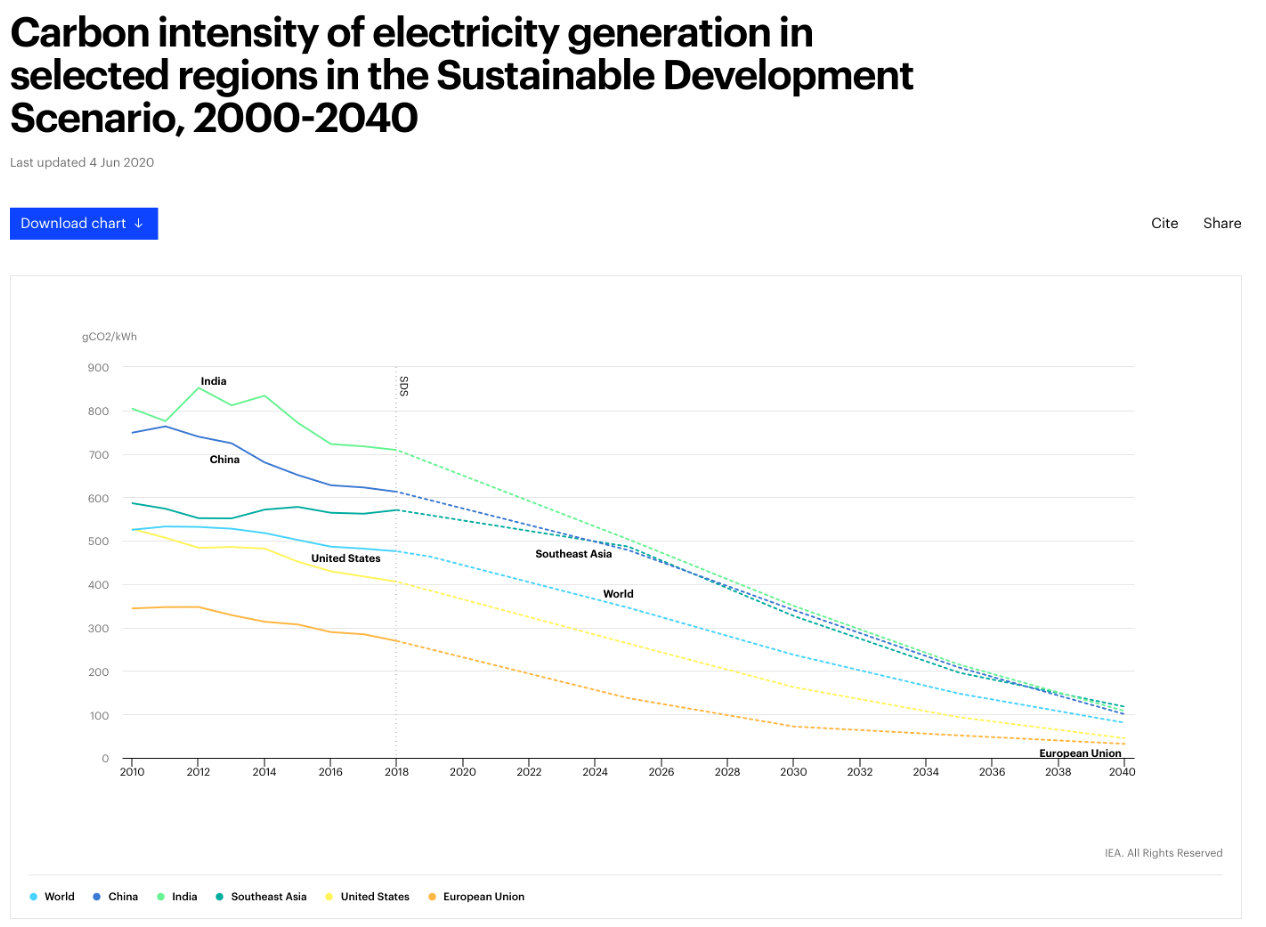
The covid-19 crisis generates a lot of short-term carbon avoidance. But post-crisis will be a challenge for the Climate.The graph below is a good example of how the baseline related to the power sector may evolve, assuming an aggressive growth of renewable energies in the coming years to come.
About Carbon Pricing
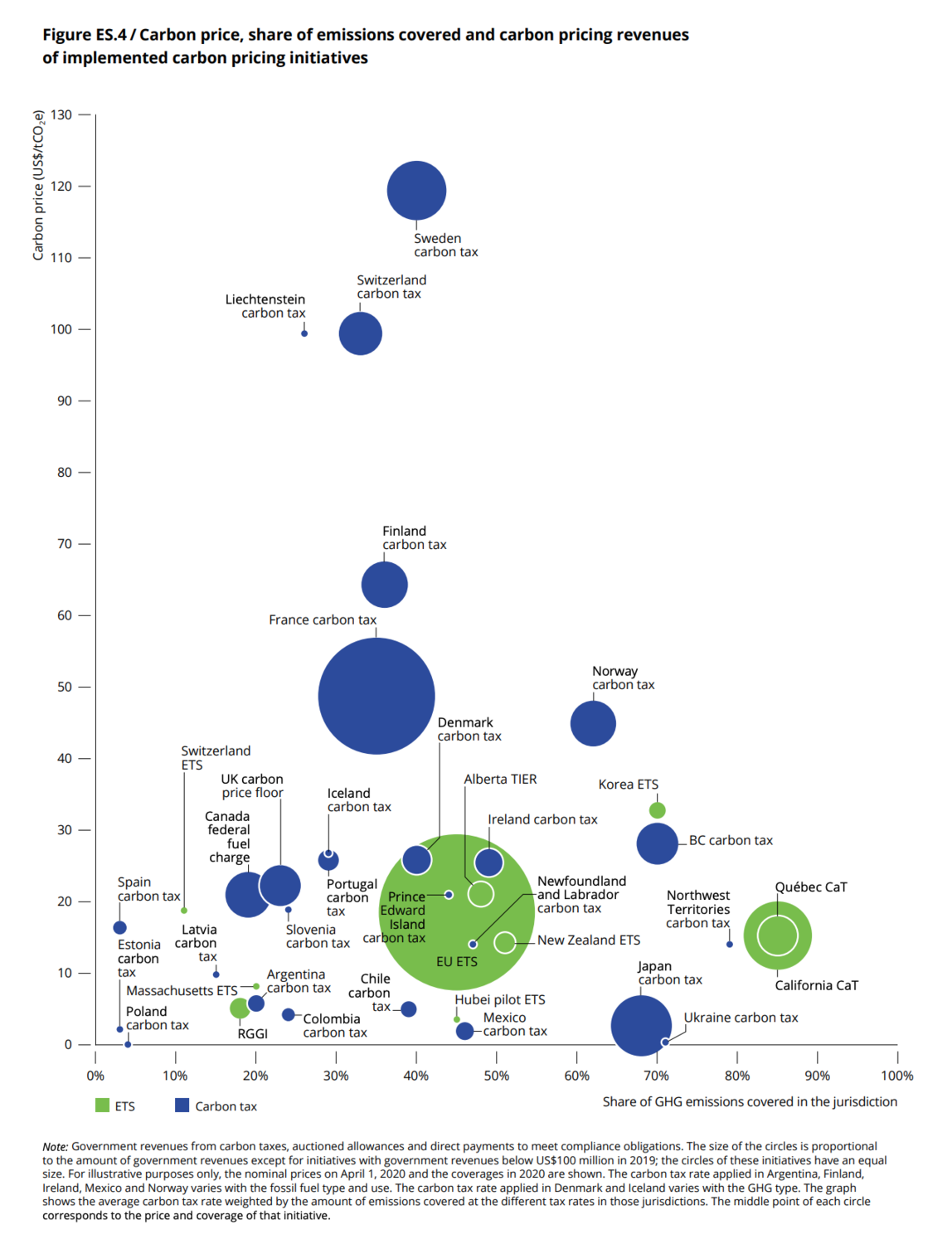
Net-zero commitments should imply that every unavoided CO2 emission is captured. A fair price per tonne of carbon, therefore, aligns with the Linearized Cost of CO2 Capture (LCCC) for Direct Air Capture, estimated between 130 and 340 USD per tonne by the International Energy Agency (IEA).
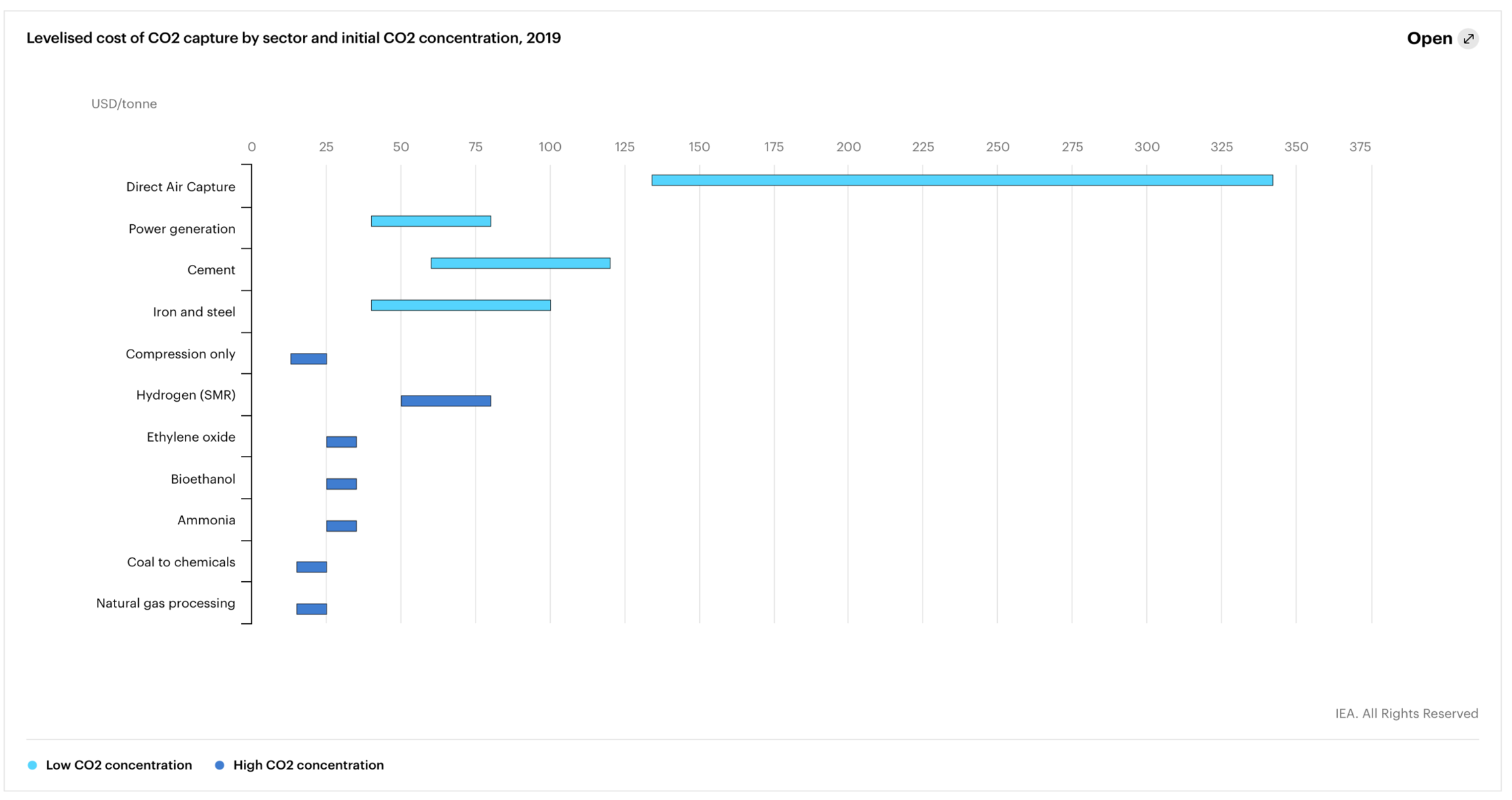
For example, the Carbon Pricing for countries targeting to offset 50% of emissions would be 50% of direct air carbon capture costs, i.e., between 62.5 USD and 170 USD per tonne. Net-zero, covering 100% of emissions, should use the full LCCC range. Only Sweden and Switzerland have a carbon price close to tge LCCC.
About Carbon Offsets
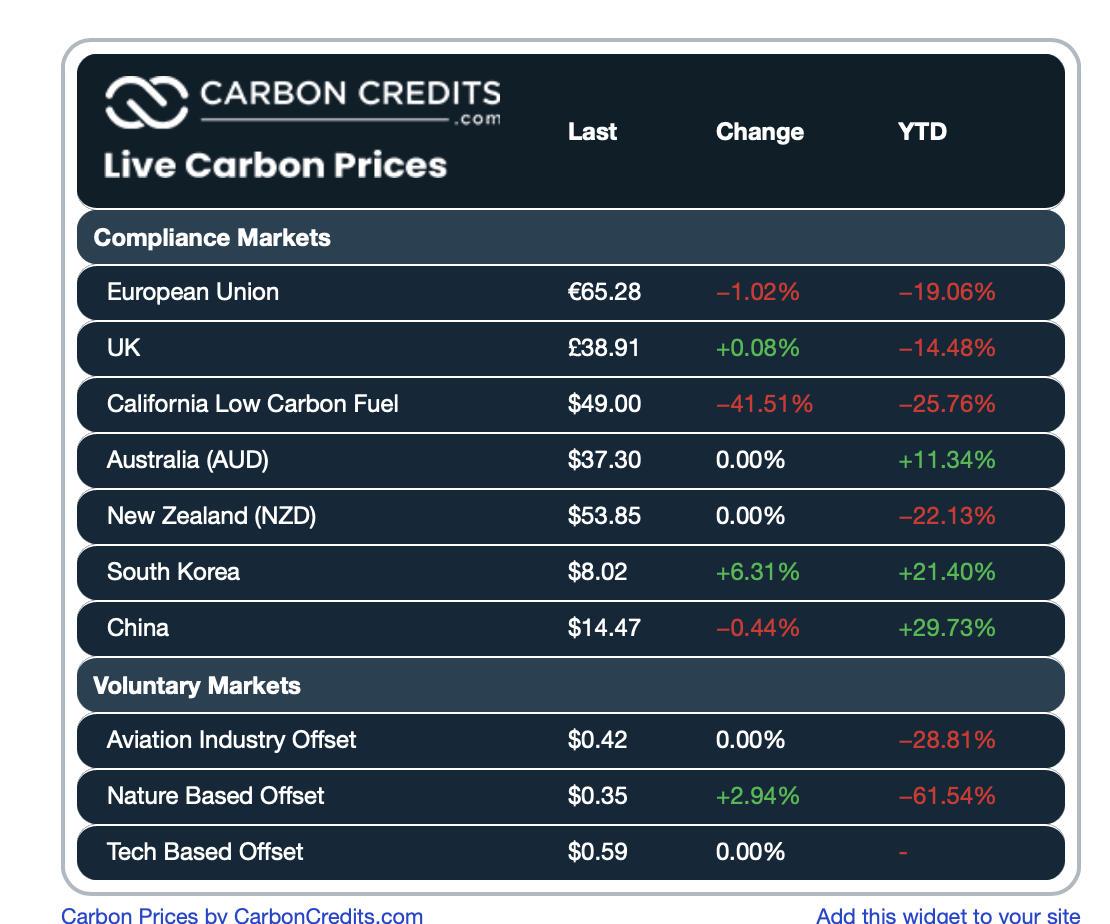
Voluntary carbon market prices are less than 10% of carbon capture costs, tied more to existing savings than new emissions reductions. Projects paid via carbon offsets often lack "additionality," and carbon offsets become more of a financial transfer from emitters to existing carbon-saving projects, with limited impact on global emissions.
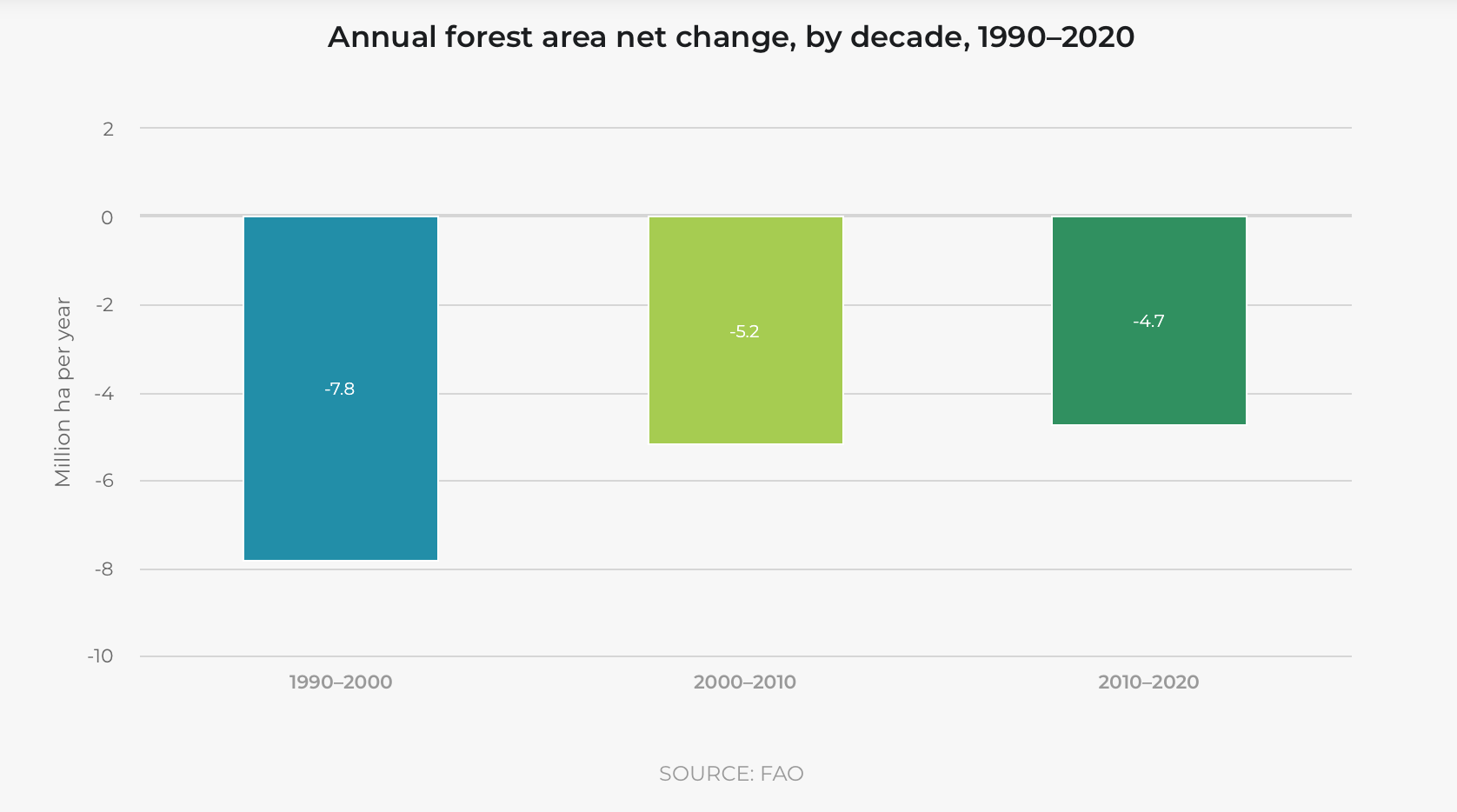
While new trees absorb carbon after two decades, the total inventory of trees declines, amplifying the urgency of addressing emissions now.
Playing with LCOE and LCCC for Net-zero
The power sector, a major carbon emissions contributor, could see the LCOE of carbon-free electricity affected by carbon capture costs. Assuming 250 USD per tonne, coal’s and LNG's competitiveness significantly reduces, making renewables like solar and wind clear cost leaders.
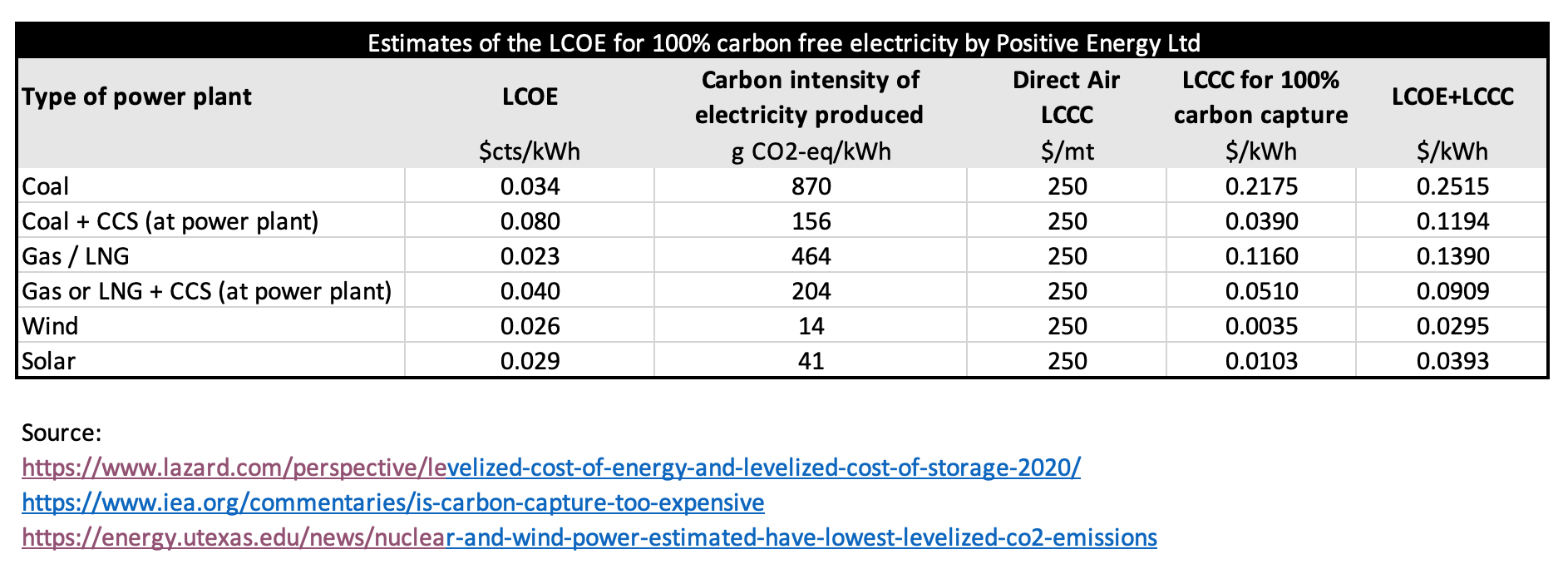
If Oil & Gas companies want to remain relevant in climate action, they must invest heavily in scaling direct air capture technologies, encouraged by carbon pricing aligned with direct capture costs.
Battery storage solutions - not included in this analysis - should have a relatively low carbon footprint compared to the primary energy. They have indeed almost no operational emissions, and they offer a very high level of efficiency.
Policymakers can make sure the right clean energy / decarbonization investments happened by aligning the Carbon Pricing with the Direct Air Carbon Capture technology cost.
Update:The table below shows the prices of Voluntaree Carbon Credits vs. Regulated ones in October 2024. It shows the disconnect between their prices and the costs associated with the negative externalities of the offset emissions